You are typing quickly and want to ask a question. Suddenly, you stop and wonder which spelling is correct. Is it “which” or “wich”? This tiny word trips up a lot of writers, students, and even native English speakers.
People search for “which or wich” for a few simple reasons. First, “which” has a silent-feeling “h” that doesn’t match how we say it out loud. Second, many common English place names and food words end in “-wich,” like Greenwich, Ipswich, and sandwich. This creates a pattern in your brain that makes “wich” feel normal. Third, autocorrect and fast typing often drop letters, and “which” is an easy word to mistype.
This article gives you a clear answer, the history behind the spelling, and simple rules so you never second-guess yourself again. By the end, you will know exactly when to use “which,” why “wich” is not a standalone word, and how to avoid this mistake in emails, essays, and everyday writing.
Which or Wich – Quick Answer
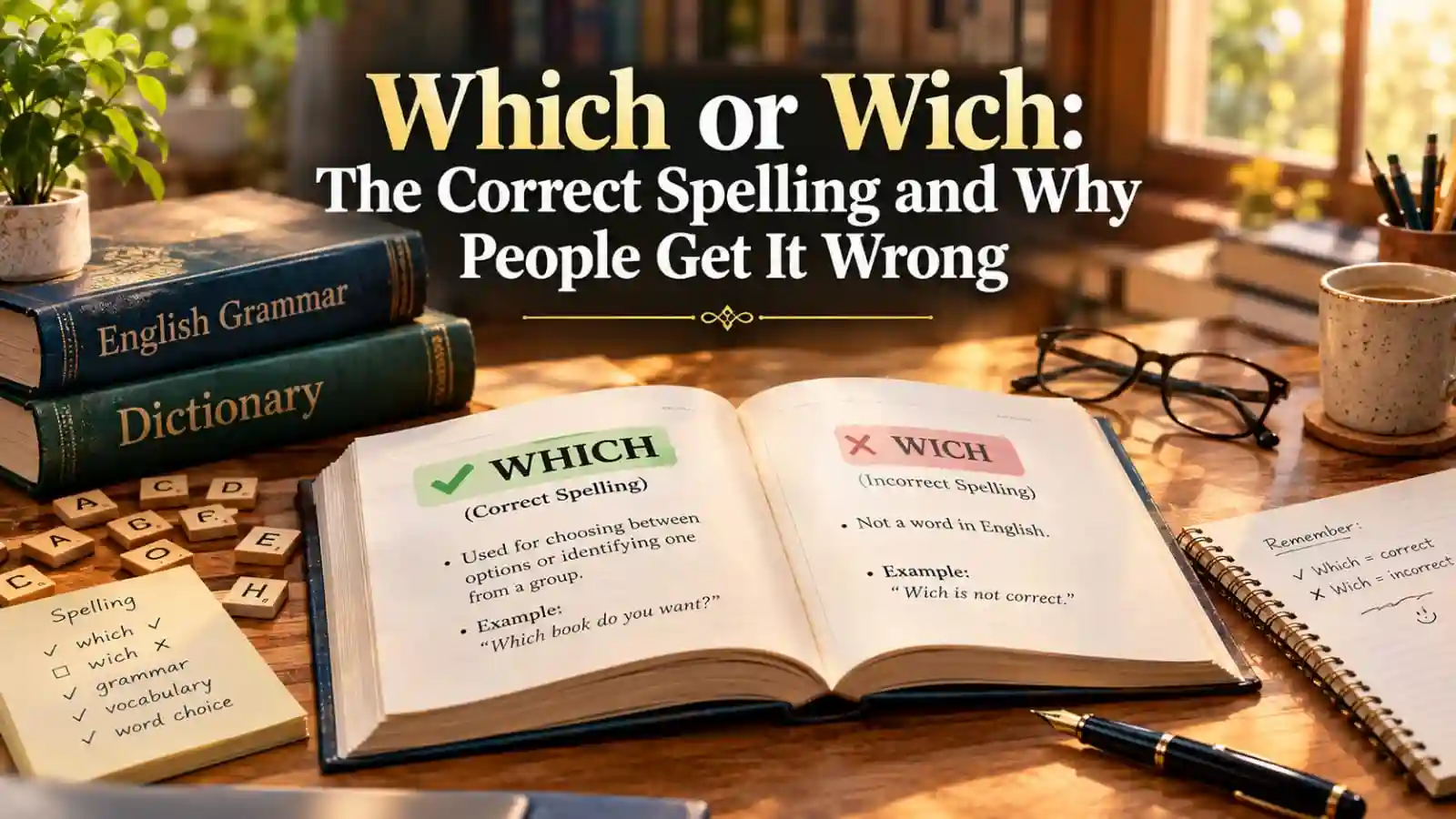
“Which” is the correct spelling. “Wich” is not a real English word on its own.
- ✅ Which book do you want to read?
- ✅ I don’t know which road to take.
- ❌ Wich book do you want to read?
- ❌ I don’t know wich road to take.
“Wich” only appears as part of other words, usually place names (Greenwich, Norwich, Ipswich) or as the second half of “sandwich.” It is never used alone as a question word or pronoun.
The Origin of Which
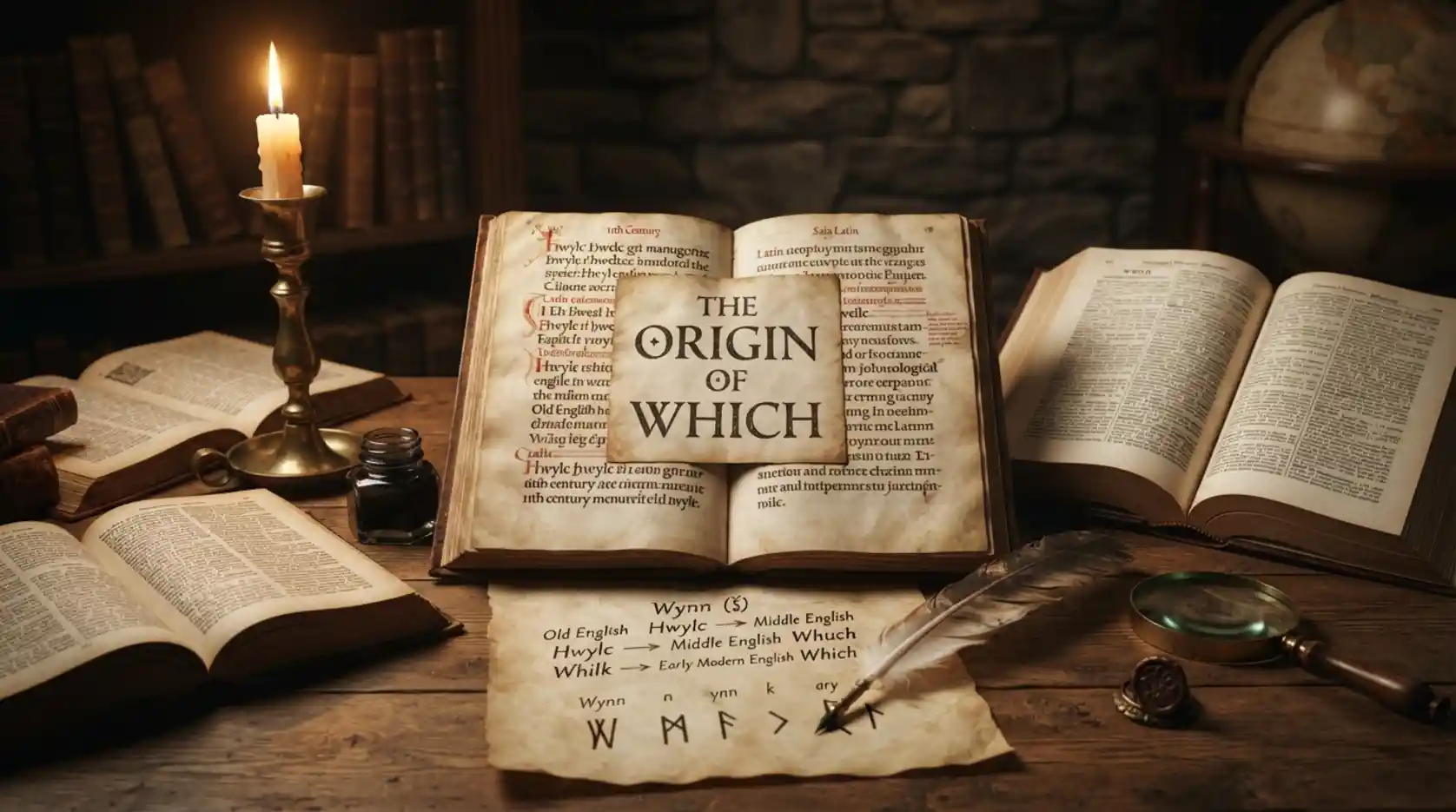
“Which” comes from Old English hwilc, which meant “of what kind” or “what one.” Over hundreds of years, English spelling changed a lot, but “which” kept its “wh-” beginning, just like “what,” “when,” “where,” and “why.”
The “-wich” ending you see in place names comes from a different root. In Old English, wic meant a dwelling, farm, or trading settlement. That is why towns like Greenwich (green settlement) and Ipswich (settlement on the River Ip) end in “-wich.” “Sandwich” comes from the Earl of Sandwich, a place name that later became the name of the food.
So “which” and “-wich” look alike but come from completely different word histories. That coincidence is the main reason people confuse the two today.
British English vs American English Spelling
The good news: “which” is spelled the same way in both British and American English. There is no US vs UK spelling split here, unlike words such as “colour/color” or “realise/realize.”
| Feature | British English | American English |
| Spelling of “which” | which | which |
| Pronunciation | /wɪtʃ/ | /wɪtʃ/ or /(h)wɪtʃ/ |
| “Wich” as a standalone word | Not used | Not used |
| “-wich” in place names | Common (Greenwich, Norwich) | Less common |
| Common misspelling | wich | wich |
The only small difference is pronunciation. Some American speakers, especially in the Midwest and South, pronounce the “h” sound, making it sound closer to “hwich.” British speakers almost always drop the “h” sound, saying “witch.”
Which Spelling Should You Use?
- US writers: Always use “which.” Spell-check and style guides like AP and Chicago agree.
- UK and Commonwealth writers: Also always use “which.” British style guides, including Oxford, confirm this spelling too.
- Global and ESL writers: “Which” is a universal English word. There is no regional version to worry about. Just remember it is one word, spelled w-h-i-c-h.
In short, there is no audience or region where “wich” is correct. This is not a British vs American issue. It is simply a common typo or confusion with place names and the word “sandwich.”
Common Mistakes with Which
- Dropping the “h”: Typing “wich” instead of “which.” This is the most common error, often from fast typing.
- Confusing it with “witch”: “Witch” refers to a person who practices magic. “Which” is a question word. They sound almost the same but mean completely different things.
- Mixing up “which” and “that”: Use “which” for extra information you could remove from a sentence. Use “that” for information the sentence needs to make sense.
- Using “which” for people: “Which” is for things and animals. Use “who” for people.
- Autocorrect errors: Some autocorrect tools do not catch “wich” because it looks close enough to real words like “rich” or “witch.”
Which in Everyday Examples

In emails: “Please let me know which option works best for your schedule.”
In news writing: “The report did not specify which department made the final decision.”
On social media: “Which one of these outfits should I wear tonight? 😅”
In formal writing: “The committee reviewed several proposals, which were later approved by the board.”
In casual conversation: “I can’t decide which movie to watch this weekend.”
Which – Google Trends & Usage Data
Search interest for spelling questions like “which or wich” tends to spike among students, content writers, and non-native English speakers who are double-checking their grammar before submitting work.
- The United States and United Kingdom show the highest search volume for “which” spelling questions, largely due to school-age learners and ESL students.
- India, Philippines, and Nigeria also show strong search interest, reflecting large populations of English learners and content creators.
- Searches often spike during the school year (September to May), matching essay and homework deadlines.
- “Wich” as a misspelling is far more common in mobile typing than in desktop typing, likely due to smaller keyboards and faster thumb-typing.
Keyword Variations Comparison Table
| Spelling/Term | Correct? | Meaning | Example |
| Which | ✅ Yes | Question word / pronoun | “Which shirt do you like?” |
| Wich | ❌ No | Not a standalone word | N/A |
| Witch | ✅ Yes (different word) | Person who practices magic | “The witch cast a spell.” |
| -wich (suffix) | ✅ Yes (in specific words) | Old English for settlement | “Greenwich,” “sandwich” |
| Wich (place name shorthand) | ⚠️ Informal only | Slang for “sandwich” | “I’ll grab a wich for lunch.” |
FAQs
1. Is “wich” ever a correct word? No. “Wich” is not a standalone English word. It only appears as part of other words like “sandwich” or place names like “Norwich.”
2. Why do people spell “which” as “wich”? Mostly typos, fast typing, and the influence of common “-wich” endings in words like “sandwich” and place names like “Greenwich.”
3. Is “which” spelled differently in British and American English? No. “Which” is spelled the same way in both. Only pronunciation can differ slightly.
4. What is the difference between “which” and “witch”? “Which” is a question word used to ask about choices. “Witch” refers to a person, usually in folklore, who practices magic. They sound similar but have no connection.
5. When should I use “which” instead of “that”? Use “which” when the extra information is not essential to the sentence, usually set off by commas. Use “that” when the information is essential and cannot be removed.
6. Can “wich” be used casually, like slang for “sandwich”? Yes, in very informal speech or branding (like some sandwich shop names), “wich” is sometimes used as slang. It is never correct in formal or standard writing.
7. Does autocorrect fix “wich” automatically? Not always. Because “wich” resembles other real words, some autocorrect tools miss it. Always proofread manually.
Conclusion
The answer to “which or wich” is simple: “which” is always correct, and “wich” is not a real standalone word in English. This confusion usually comes from fast typing, autocorrect slips, or the influence of common “-wich” endings in words like “sandwich” and place names like “Greenwich” and “Ipswich.”
There is no British vs American spelling difference to worry about here. Whether you are writing in the US, the UK, or anywhere else in the world, “which” is the correct choice every time. The only real distinction to keep in mind is the difference between “which” (a question word) and “witch” (a person who practices magic), since they sound alike but mean very different things.
Next time you pause while typing, remember this simple rule: if you are asking about a choice, it is always “which,” never “wich.” Keep this guide handy, proofread your writing, and you’ll never make this small but common mistake again.