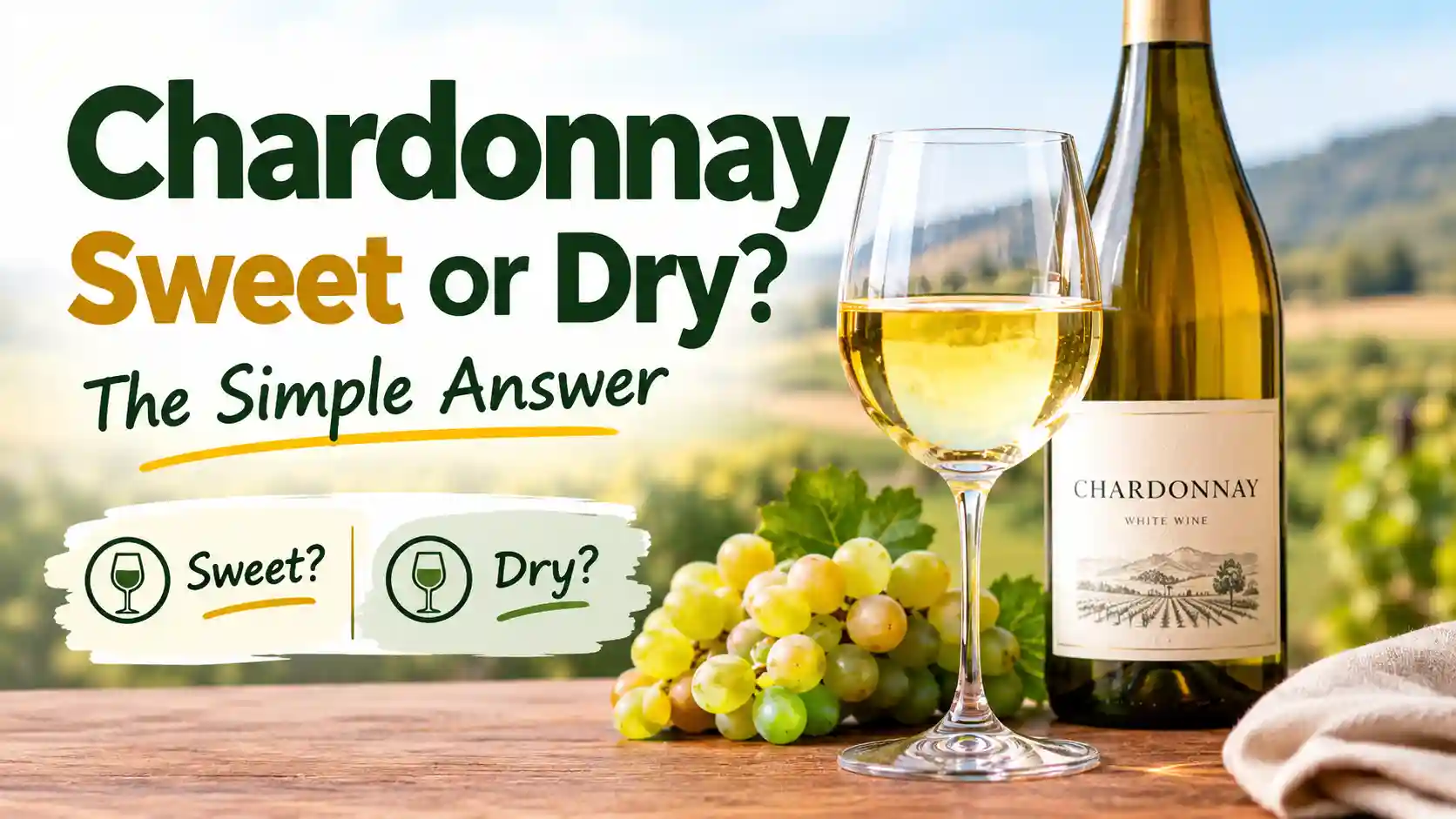
Thousands of people search “chardonnay sweet or dry” every month. The confusion makes sense. Chardonnay often tastes fruity and creamy. Those flavors feel sweet, even when the wine has almost no sugar.
This guide clears it up. You will get the quick answer first. Then you will learn why chardonnay tastes the way it does. You will see how oak, climate, and country change the flavor. You will also learn how to read a label and avoid common mistakes.
By the end, you will know what to buy. You will also know how to ask for the style you like at a store or restaurant. No wine degree needed. Let’s start.
Chardonnay Sweet or Dry – Quick Answer
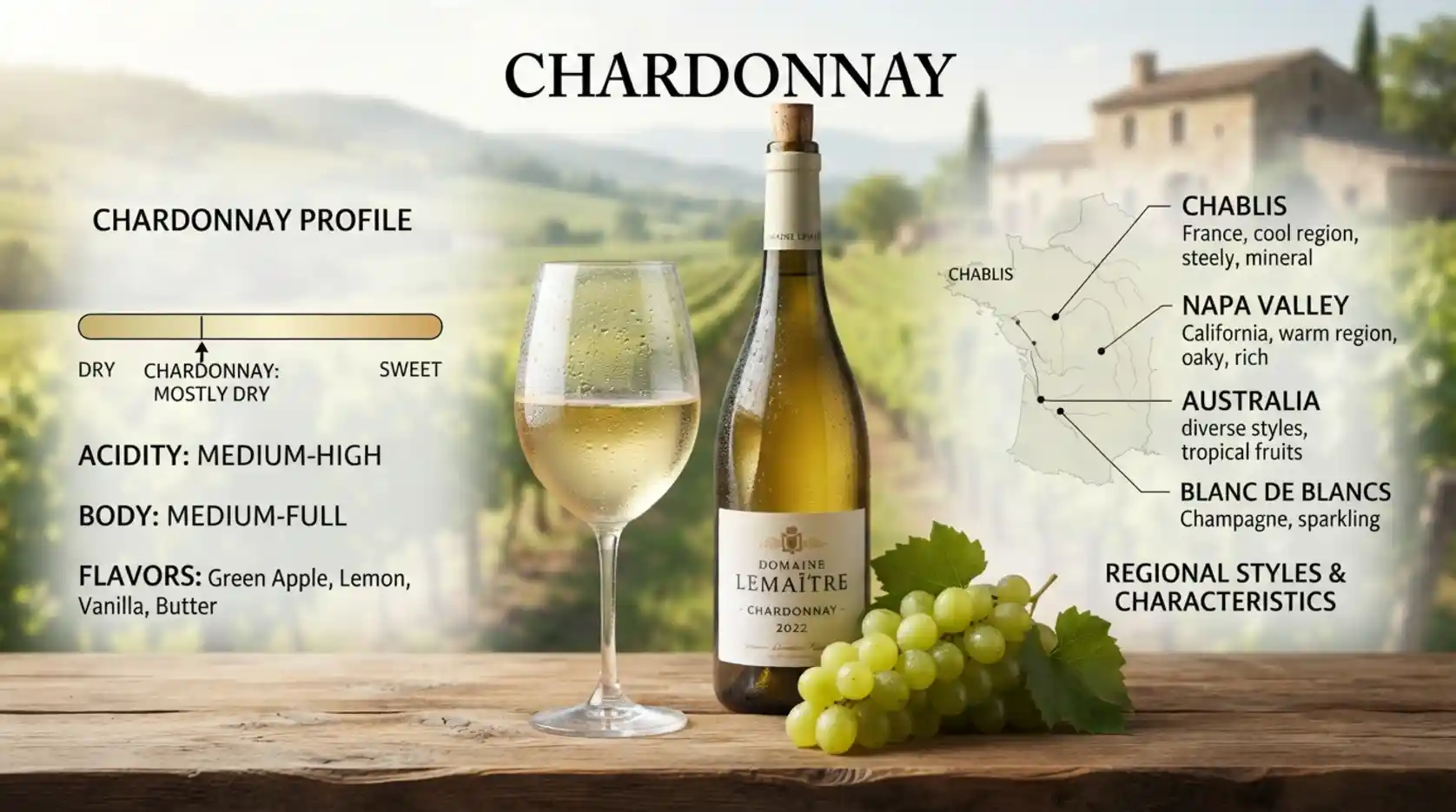
Most chardonnay is dry. Dry means the wine has little or no sugar left after fermentation.
Here are some examples:
- Chablis (France): very dry, crisp, and light.
- Napa Valley chardonnay (USA): dry, but rich and creamy.
- Australian chardonnay: dry, with ripe tropical fruit.
- Blanc de Blancs Champagne: made from chardonnay, usually dry.
Why does it seem sweet to some people? Ripe fruit flavors like peach, pineapple, and melon trick your tongue. Oak adds vanilla and butter notes. Your nose says “sweet,” but your mouth gets little sugar.
Sweet chardonnay does exist. It is rare, and it is usually labeled “late harvest” or “dessert wine.”
The Origin of Chardonnay’s Dry Style
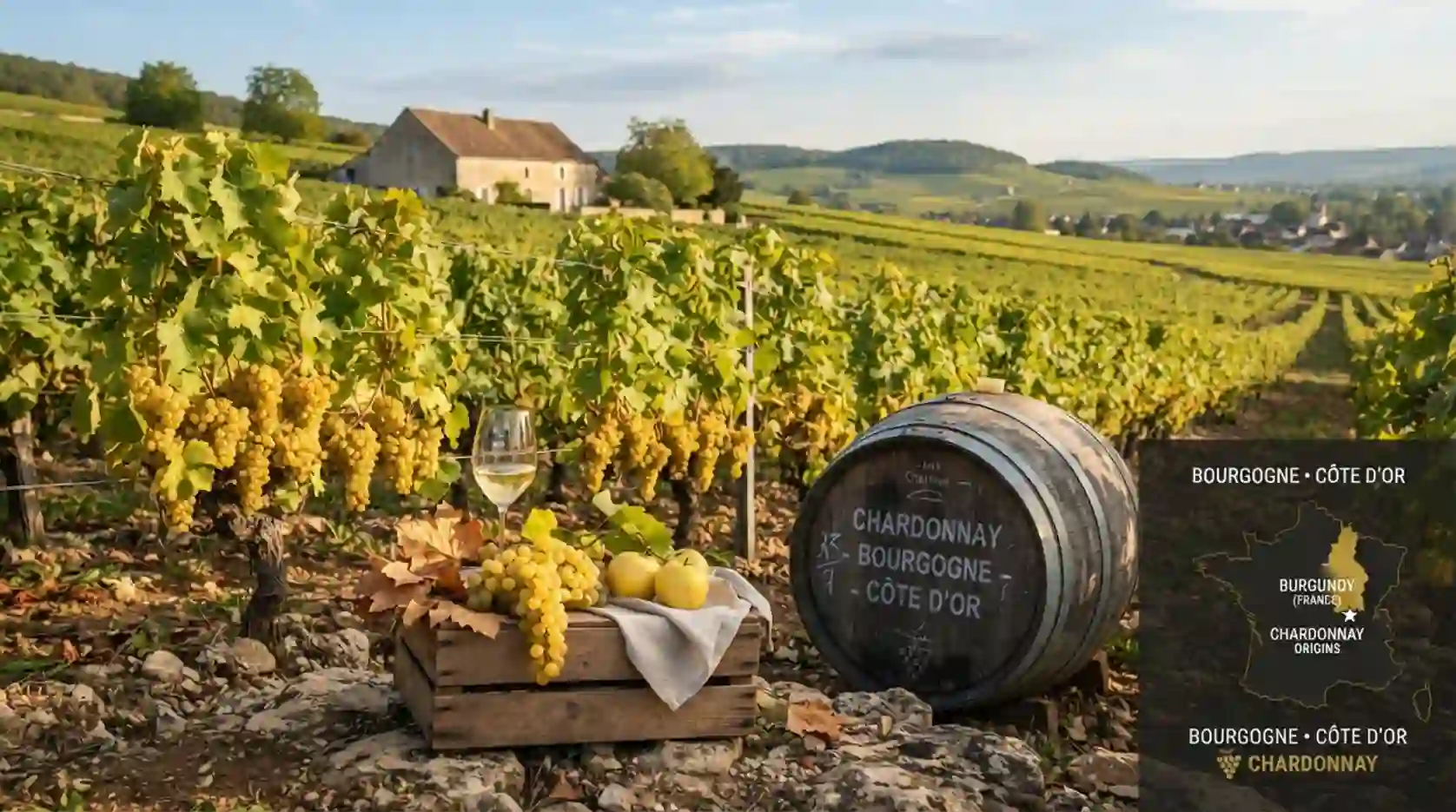
Chardonnay began in Burgundy, France. The grape is named after a small village called Chardonnay. Growers there made dry white wines for centuries. Dry became the classic style.
The grape is easy to grow. It adapts to many climates. That is why it now grows in the USA, Australia, Chile, South Africa, and Italy. Each place gives it a different taste.
Why do people think it might be sweet? Three reasons:
- Ripe climates. Warm places make riper grapes with bigger fruit flavors.
- Oak barrels. Oak adds vanilla, caramel, and toast. These smell like dessert.
- Malolactic fermentation. This step turns sharp acid into soft, creamy acid. The wine feels round and buttery.
None of these add real sugar. They only change how the wine smells and feels.
Old World vs New World Chardonnay
Wine people split chardonnay into two big groups. The table shows the main differences.
| Feature | Old World (France, Italy) | New World (USA, Australia, Chile) |
| Sweetness | Dry | Dry to off-dry |
| Main flavors | Green apple, lemon, mineral | Peach, pineapple, vanilla |
| Body | Light to medium | Medium to full |
| Oak use | Light or none (Chablis) | Often heavy |
| Feel | Crisp, sharp | Soft, creamy, buttery |
| Example | Chablis, Meursault | Napa, Sonoma, Margaret River |
The takeaway: both styles are mostly dry. New World bottles just taste “sweeter” because of ripe fruit and oak.
Which Style Should You Choose?
Pick based on what you enjoy.
If you like crisp and fresh wines:
Choose unoaked chardonnay. Look for Chablis or labels that say “unoaked” or “stainless steel.”
If you like rich and creamy wines:
Choose oaked chardonnay from California or Australia. Look for “barrel fermented” or “malolactic.”
If you want a touch of sweetness:
Try an off-dry bottle. Some mass-market chardonnays leave a little sugar. Check the winery’s tasting notes or website.
If you want something festive:
Try Blanc de Blancs sparkling wine. It is usually dry and elegant.
If you are buying for guests:
Go middle of the road. A lightly oaked, medium-bodied chardonnay pleases most people.
Common Mistakes with “Chardonnay Sweet or Dry”
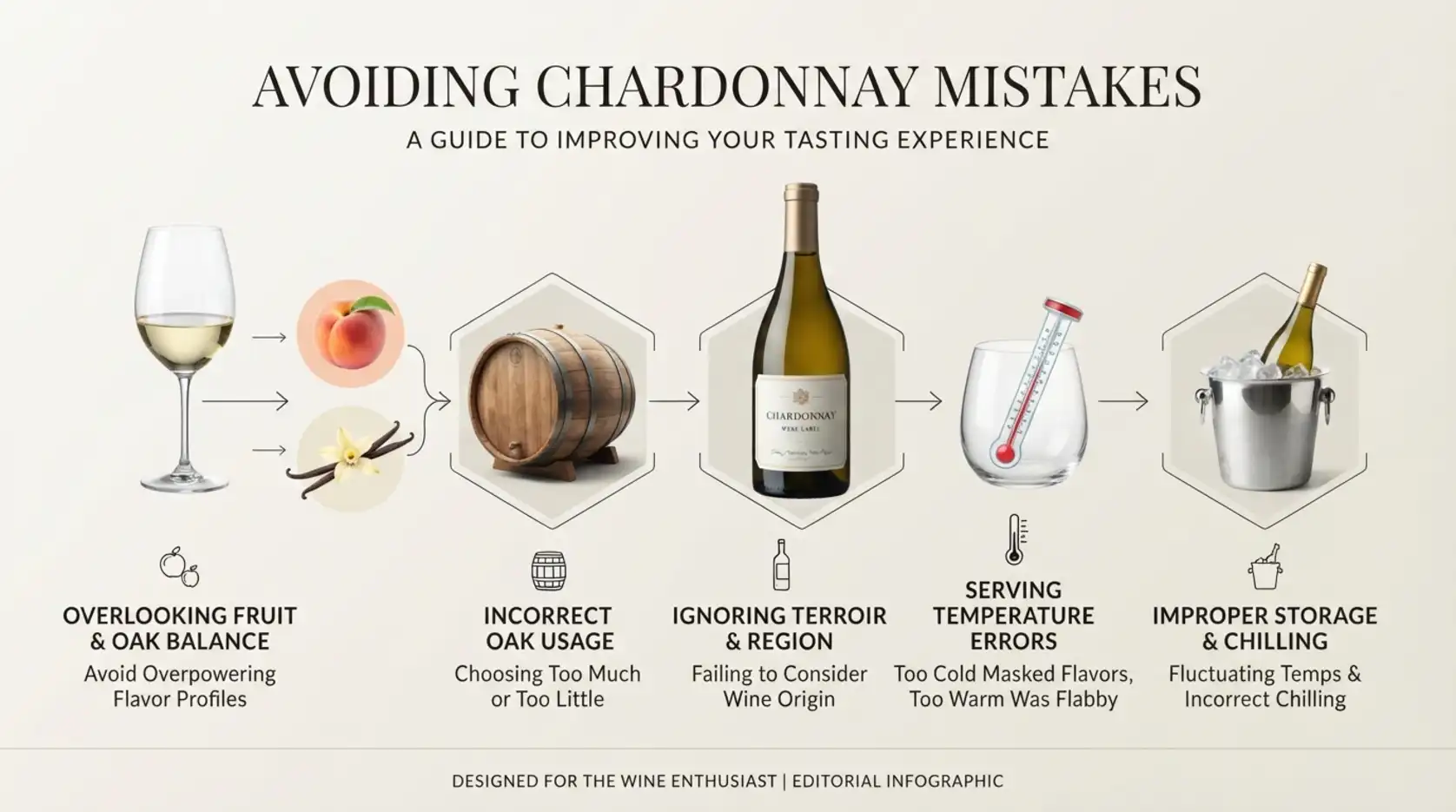
Mistake 1: Thinking fruity means sweet.
Fruit flavor and sugar are different things. A wine can taste like peach and still be dry.
Mistake 2: Thinking creamy means sweet.
Creamy comes from oak and malolactic fermentation. It is a texture, not sugar.
Mistake 3: Thinking all chardonnay tastes the same.
Chablis and Napa chardonnay are very different. Try both before you decide you dislike the grape.
Mistake 4: Ignoring the label.
Words like “late harvest,” “dessert,” or “ice wine” signal sweetness. Words like “brut,” “sec,” or “unoaked” signal dry and crisp.
Mistake 5: Serving it too warm or too cold.
Ice-cold wine hides flavor. Warm wine tastes heavy. Aim for 45–55°F (7–13°C).
Chardonnay Sweet or Dry in Everyday Examples
At a restaurant:
“I’d like a dry chardonnay, not too oaky. What do you recommend?”
At a wine shop:
“I want a crisp, unoaked chardonnay under $20.”
In an email to a host:
“I’m bringing a dry chardonnay to go with the chicken.”
On social media:
“Hot take: chardonnay isn’t sweet. It just smells like vanilla. 🍷”
In a food blog:
“Pair a buttery, dry chardonnay with roast chicken or creamy pasta.”
On a menu:
“Chardonnay, Burgundy, France – dry, mineral, citrus.”
Notice the pattern. People say “dry” to be clear. It saves time and avoids a bad surprise.
Chardonnay Sweet or Dry – Search Interest and Usage
People search this question all over the world. Interest is strongest in English-speaking wine markets such as the United States, the United Kingdom, Canada, and Australia.
Why do people search it?
- Beginners want to know what to expect before they buy.
- Hosts want a safe choice for guests.
- Cooks want a wine that fits a recipe.
- Gift buyers do not want to pick the wrong style.
Searches often rise around holidays, dinner party seasons, and summer, when white wine sells well. For exact numbers by country and season, check Google Trends yourself.
Chardonnay Style Comparison Table
| Style | Sweetness | Taste | Best With |
| Unoaked (Chablis) | Dry | Citrus, green apple, mineral | Oysters, salads, fish |
| Lightly oaked | Dry | Pear, lemon, soft vanilla | Chicken, pasta |
| Heavily oaked (Napa) | Dry | Butter, toast, ripe peach | Lobster, cream sauces |
| Off-dry | Slightly sweet | Ripe fruit, honey | Spicy food, mild cheese |
| Blanc de Blancs sparkling | Usually dry | Crisp, toasty, apple | Appetizers, celebrations |
| Late harvest | Sweet | Honey, apricot | Dessert, blue cheese |
FAQs
1. Is chardonnay sweet or dry?
Mostly dry. A few styles are off-dry or sweet, but they are rare.
2. Why does my chardonnay taste sweet?
Ripe fruit and oak flavors like vanilla fool your senses. The wine itself has little sugar.
3. Is chardonnay sweeter than sauvignon blanc?
Not usually. Both are mostly dry. Chardonnay tastes rounder and fuller. Sauvignon blanc tastes sharper and more herbal.
4. What is the driest chardonnay?
Chablis from France is among the driest. Look for “unoaked” bottles too.
5. Is buttery chardonnay sweet?
No. Butter flavor comes from malolactic fermentation. It adds creaminess, not sugar.
6. How can I tell if a chardonnay is sweet before buying?
Read the label and winery notes. Look for words like “dry,” “brut,” “off-dry,” or “late harvest.”
7. What is the best chardonnay for people who like sweet wine?
Try an off-dry bottle or a ripe New World chardonnay. If you want true sweetness, try a late harvest wine or a different grape like moscato or riesling.
8. Does chardonnay have a lot of sugar?
No. A glass of dry chardonnay usually has very little sugar, often under 1 gram.
Conclusion
So, is chardonnay sweet or dry? The answer is clear. Chardonnay is almost always dry. It only seems sweet because of ripe fruit, vanilla, and creamy texture.
Remember these key points:
- Dry means low sugar. Most chardonnay fits this.
- Fruit and oak flavors are not sugar.
- Old World chardonnay is crisp. New World chardonnay is rich.
- Labels like “unoaked,” “brut,” and “dry” help you choose.
- Sweet chardonnay exists, but it is labeled “late harvest” or “dessert.”
Your best tip: tell the seller what you want. Say “dry and crisp” or “dry and creamy.” You will get a better bottle every time.
Wine is personal. Try a few styles. Take notes. Soon you will know exactly which chardonnay is yours. Cheers!