You typed a sentence. Then you stopped. Is it “girlys” or “girlies”? Both look fine at first glance, but only one follows the real spelling rule.
This mix-up happens more than you’d think. People search for this term when texting friends, writing captions, or drafting emails, and they want to sound right without overthinking it. Spellcheck sometimes flags one version and not the other, which adds to the confusion. Autocorrect on phones can also silently “fix” the word, leaving people unsure which spelling they actually meant to use.
The confusion usually comes from a simple English rule most people forgot after grade school: what happens to a word ending in “y” when you make it plural. This article gives you the quick answer first, then walks through the grammar rule, the history behind it, and real examples so you never second-guess this spelling again.
By the end, you’ll know exactly which spelling to use, when, and why native speakers and editors agree on the answer.
Girlys or Girlies – Quick Answer
The correct spelling is girlies, not “girlys.”
English has a standard rule: when a word ends in a consonant plus “y,” you drop the “y” and add “ies” to form the plural.
Examples:
- Girly → Girlies ✅
- Baby → Babies ✅
- Puppy → Puppies ✅
- Party → Parties ✅
“Girlys” breaks this rule and is considered a spelling mistake in standard English, even though it shows up often in casual texting and social media.
The Origin of Girlies
The word “girly” comes from “girl,” with the suffix “-y” added to turn it into an adjective or informal noun, similar to how “chill” becomes “chilly” or “salt” becomes “salty.”
“Girl” itself has roots in Middle English, originally referring to a young person of either sex before it narrowed to mean a young female. Over time, “girly” developed as a casual, affectionate, or descriptive term, used both as an adjective (“a girly movie”) and informally as a plural noun (“hanging out with the girlies”).
The plural spelling follows a rule already baked into English for centuries. This rule isn’t new or invented for this word; it’s the same pattern applied to hundreds of other words ending in a consonant plus “y.”
Spelling differences show up mainly because of informal writing habits, not because of any real regional grammar rule. On social media, people often write fast, skip proofreading, or type phonetically, which is how “girlys” spreads despite being technically incorrect.
British English vs American English Spelling

Good news here: this isn’t a British-versus-American spelling split like “colour” vs. “color” or “organise” vs. “organize.”
The “y to ies” pluralization rule is identical in both British and American English. Neither dialect accepts “girlys” as standard.
| Feature | British English | American English |
| Plural of “girly” | Girlies | Girlies |
| Rule applied | Consonant + y → ies | Consonant + y → ies |
| “Girlys” accepted? | No | No |
| Common in casual/social text? | Yes | Yes |
| Preferred in formal writing | Girlies | Girlies |
Unlike many spelling differences between British and American English, this one is a matter of correct vs. incorrect, not regional preference.
Which Spelling Should You Use?
Your choice depends on where you’re writing and who’s reading.
For US audiences: Use “girlies.” American style guides and dictionaries follow the same “y to ies” rule as everywhere else.
For UK and Commonwealth audiences: Use “girlies” as well. British English follows identical pluralization rules for this word.
For global or professional audiences: Always use “girlies.” If you’re writing for a website, brand, or any content meant to look polished, “girlies” is the only version that reads as correct English.
For casual texting or social captions: “Girlys” might appear in your feed, but it still reads as a mistake to anyone who knows the rule. If you want your writing to look intentional rather than careless, stick with “girlies,” even in casual settings.
Common Mistakes with Girlys or Girlies
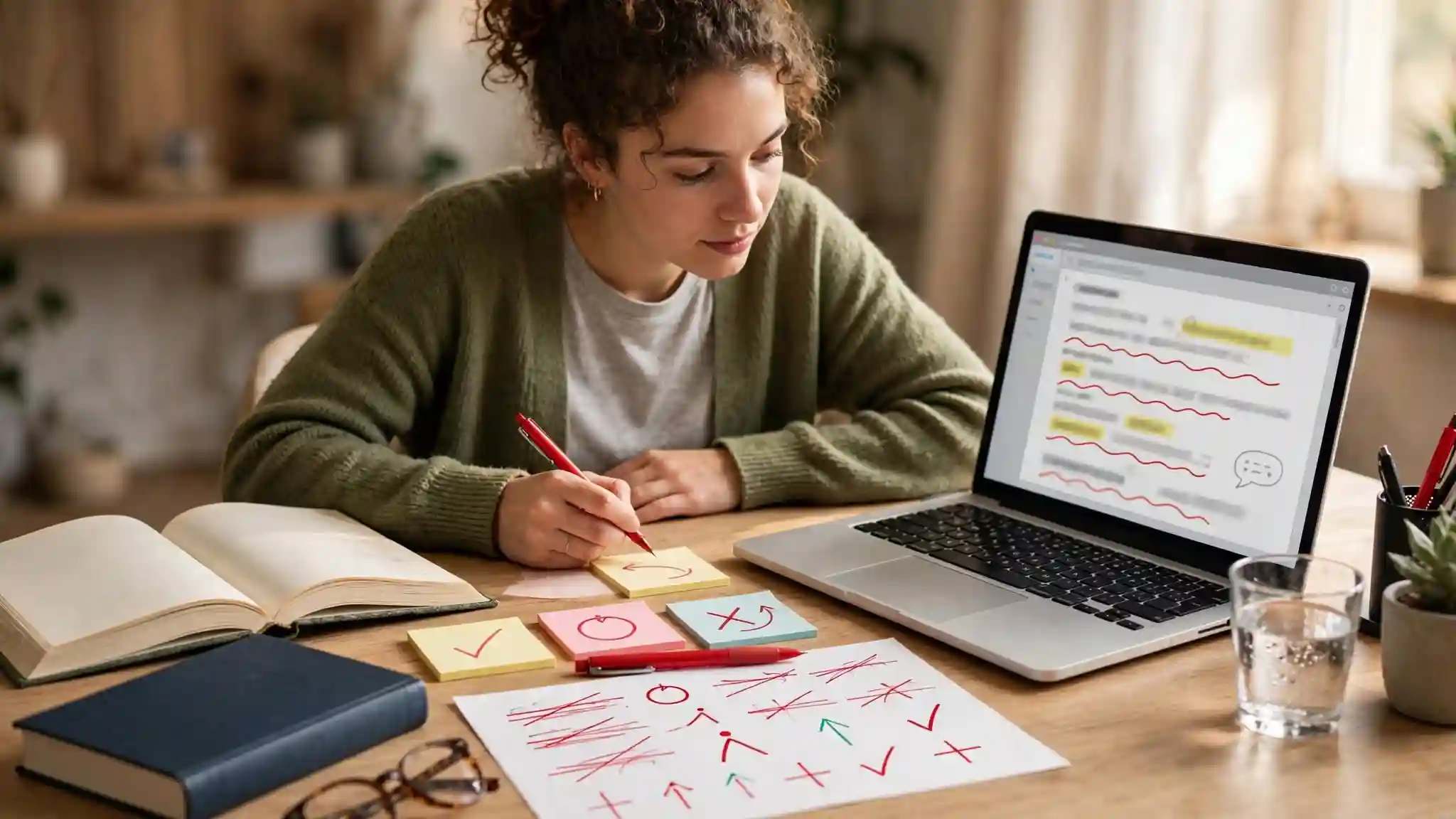
- Writing “girlys” instead of “girlies” Wrong: “Meeting up with the girlys tonight.” Right: “Meeting up with the girlies tonight.”
- Adding an apostrophe by mistake Wrong: “girly’s” (this looks possessive, not plural) Right: “girlies”
- Confusing it with “girls” “Girls” is the plural of “girl.” “Girlies” is the plural of “girly,” a more casual, affectionate variant. They’re related but not interchangeable in formal writing.
- Assuming spellcheck will always catch it Some apps and keyboards don’t flag “girlys,” especially in casual messaging apps, which lets the error spread.
- Using “girlies” and “girlys” interchangeably in the same piece of writing Pick one, and pick the correct one: “girlies.”
Girlys or Girlies in Everyday Examples
Texting/social media: “Can’t wait to see the girlies this weekend!”
Emails (casual/friendly tone): “Hey team, quick reminder about the girlies’ lunch on Friday — see you there!”
News or lifestyle articles: “The brand’s new campaign leans into a playful, girlies-focused aesthetic.”
Formal writing: Formal writing tends to avoid “girlies” altogether, opting for neutral terms like “women” or “young women” instead. When the informal tone fits the brand voice, though, “girlies” (never “girlys”) is the version to use.
Girlys or Girlies – Google Trends & Usage Data
Search interest for “girlies” consistently outpaces “girlys” across most English-speaking regions, reflecting the correct spelling’s dominance in both casual and search contexts.
- United States: “Girlies” is the more commonly searched and written version, especially in social media captions and pop culture references.
- United Kingdom and Commonwealth countries: Usage patterns mirror the US, with “girlies” appearing far more often in blogs, articles, and search queries.
- Global trend: “Girlies” has grown in popularity alongside slang usage in music, social media trends, and casual online culture, while “girlys” remains a minority misspelling.
Search engines generally recognize “girlies” as the standard term, which is another reason it ranks better and appears more trustworthy in written content.
Keyword Variation Comparison Table
| Variation | Correct? | Common Usage | Recommended For |
| Girlies | ✅ Yes | Very common | All writing (casual & formal) |
| Girlys | ❌ No | Common but incorrect | Avoid |
| Girly’s | ❌ No (possessive, not plural) | Rare, often a typo | Avoid unless showing possession |
| Girls | ✅ Yes (different word) | Very common | Neutral/formal contexts |
FAQs
1. Is “girlys” ever correct? No. “Girlys” is a common misspelling. The correct plural of “girly” is “girlies.”
2. Why do so many people write “girlys” instead of “girlies”? Fast typing, autocorrect gaps, and casual texting habits let the error spread, even though it doesn’t follow standard spelling rules.
3. Is “girlies” British or American English? Neither exclusively. Both British and American English use the same rule, so “girlies” is correct in both.
4. What’s the difference between “girlies” and “girls”? “Girls” is the plural of “girl.” “Girlies” is the plural of “girly,” a more casual or affectionate variant, often used among friends or in informal branding.
5. Can I use “girlies” in professional writing? It depends on tone. Formal documents usually avoid it, but casual brand voices, marketing copy, and social content use it often and correctly.
6. Does spellcheck catch “girlys” as an error? Not always, especially in messaging apps with looser dictionaries. Word processors and browsers with standard dictionaries typically do flag it.
7. Is there an apostrophe in “girlies”? No. An apostrophe would make it possessive (“girly’s,” meaning belonging to one girly), not plural. The plural form has no apostrophe.
Conclusion
The answer is simple: “girlies” is correct, and “girlys” is not. This comes down to a basic English spelling rule, not a regional or stylistic choice. Words ending in a consonant plus “y” drop the “y” and add “ies” to form their plural, and “girly” follows that same pattern as “baby,” “puppy,” and “party.”
Both American and British English agree on this point, so there’s no need to adjust your spelling based on your audience’s location. If you’re texting friends, writing a caption, drafting a casual email, or creating content for a brand, “girlies” is the version that reads as correct and intentional.
If you remember one thing from this guide, make it this: when in doubt, drop the “y,” add “ies,” and you’ll always spell it right. Save this page next time you’re unsure, and you’ll never have to second-guess “girlys or girlies” again.